
Why Top Companies Are Hiring Former Athletes

Table of Contents
- What Companies See in Former Athlete Candidates
- Why Traditional Hiring Often Overlooks Athletes
- How Companies Can Evaluate Athletes as Candidates
- The Challenges Athletes Face After Sports
- Business Roles Where Former Athletes Thrive
- How Shift Group Helps Athletes Launch Business Careers
- The Future of Athlete Hiring
- FAQ’s About FAQ’s About Hiring Former Athletes
Companies are increasingly hiring former athletes because they bring competitive drive, coachability, accountability, and resilience developed through years of training and competition.
These traits translate especially well into business roles that require performance, teamwork, and adaptability. While athletes may need help translating their experience into business language, organizations that recognize their potential often gain access to a high-performing and underutilized talent pool.
What Companies See in Former Athlete Candidates
Traditional hiring signals like specific degrees, prestigious company logos on a resume, or narrowly defined industry experience don’t always predict who will succeed in fast-paced, high-pressure roles.
Increasingly, companies are realizing that character traits, mindset, and performance habits often matter more than credentials alone. These qualities can be stronger indicators of long-term success, adaptability, and the ability to thrive in dynamic environments.
Former athletes represent a talent pool that has already developed many of these qualities through years of structured training and competition, including:
Discipline and preparation: A commitment to consistent improvement and meeting performance standards
Comfort with competition and accountability: The ability to perform under pressure while taking ownership of results
Ability to operate under pressure: Experience managing high-stakes situations and tight deadlines
Strong teamwork and communication: Understanding how individual contributions impact collective outcomes
Resilience through setbacks and adversity: Learning to recover quickly from failure or unexpected challenges
Athletes spend years in environments where performance is constantly measured and improvement is expected. When these habits are transferred to the workplace, they often produce employees who are highly motivated, coachable, and able to adapt to changing circumstances.
By focusing on these qualities, companies can identify candidates who not only meet the technical requirements of a role but also bring the mindset and behaviors that drive sustained success.
Why Traditional Hiring Often Overlooks Athletes
Despite these advantages, athletes are often overlooked during traditional hiring processes.
There are several reasons for this:
Resumes rarely capture athletic value
Athletes may not have traditional internships or corporate experience listed on their resumes, even though they’ve spent years building transferable skills.
Hiring managers may not know how to evaluate athletes
Without context, hiring managers sometimes underestimate the leadership, discipline, and resilience developed through sports.
Athletes struggle to translate their experience
Many athletes simply haven’t been shown how to connect their athletic experience to the skills employers care about.
This creates a gap between athlete potential and employer recognition.
How Companies Can Evaluate Athletes as Candidates
Companies that want to successfully hire former athletes often need to broaden how they evaluate candidates.
Traditional resumes don’t always capture the leadership, discipline, and performance habits athletes develop through years of competition. Instead, organizations should look for indicators such as:
Leadership in team environments
Long-term commitment and discipline
Experience performing under pressure
Coachability and willingness to improve
When companies evaluate these characteristics alongside technical or professional skills, former athletes often emerge as high-potential candidates capable of thriving in competitive business environments.
The Challenges Athletes Face After Sports
For many athletes, the end of their playing career is both exciting and uncertain.
While they’ve developed valuable skills through sports, transitioning into the workforce can still present challenges, including:
Limited professional networks outside of athletics
Uncertainty about potential career paths
Difficulty translating athletic experience into business language
Limited exposure to different industries and roles
Without the right guidance, many athletes struggle to clearly communicate the value they bring to employers. Programs like Shift Group help bridge this gap by preparing athletes for professional roles and helping companies better understand how to evaluate the strengths athletes develop through competition.
Business Roles Where Former Athletes Thrive
While athletes can succeed in virtually any industry, certain business functions naturally align with the skills and mindset they develop through sports. These roles leverage traits like discipline, teamwork, adaptability, and performance under pressure.
Business Development / GTM Roles
Competitive environments, measurable goals, and performance metrics often mirror the structure athletes are accustomed to. Their drive, persistence, and ability to perform under pressure make them well-suited to roles focused on growth and revenue.
Operations and Strategy
Athletes are trained to plan, execute, and adapt continuously. Roles in operations and strategy benefit from their ability to manage complex processes, prioritize tasks, and make decisions under tight timelines.
Product and Project Management
Effective project management requires collaboration, communication, and accountability—skills athletes practice daily in team settings. Their experience coordinating with teammates and adjusting strategies on the fly translates directly into leading projects and cross-functional initiatives.
Finance and Analytical Roles
Discipline, attention to detail, and focus under pressure allow athletes to thrive in analytical environments. Whether managing data, evaluating performance, or optimizing processes, their mindset supports precision and long-term impact.
Ultimately, athletes excel when organizations look beyond traditional credentials and focus on potential, mindset, and work ethic. By aligning roles with the natural strengths athletes bring, companies unlock high-performing talent capable of driving results and leading teams effectively.
How Shift Group Helps Athletes Launch Business Careers
Shift Group is designed to help athletes and veterans successfully transition from high-performance environments into business careers.
The program focuses on helping candidates:
Translate their athletic experience into strengths employers understand and value
Develop core business fundamentals and professional communication skills
Build strong professional digital profiles that highlight leadership and performance habits through video
Connect with companies looking for disciplined, competitive talent
For companies, this creates access to a pipeline of candidates who already possess many of the characteristics required to succeed in demanding business environments.
For athletes, it provides a structured path to turn the discipline, resilience, and accountability developed in sports into long-term professional careers.
The Future of Athlete Hiring
As companies place more emphasis on mindset, adaptability, and long-term potential, hiring former athletes is becoming a more intentional strategy.
Traditional hiring signals like degrees or past job titles don’t always predict performance in fast-paced environments. Increasingly, organizations are recognizing that characteristics such as discipline, resilience, and accountability can be stronger indicators of success.
Former athletes represent a talent pool that has already developed many of these qualities through years of structured training and competition, including:
Discipline developed through consistent preparation
Resilience built from navigating setbacks and adversity
Teamwork from operating in highly collaborative environments
Accountability where individual performance affects team outcomes
Each year, thousands of athletes finish their playing careers and enter the workforce with leadership experience, competitive drive, and the ability to perform under pressure.
Organizations that understand how to recognize and develop this potential often gain employees who are highly motivated and capable of thriving in competitive business environments.
FAQ's About Hiring Former Athletes
Partnering with Shift Group gives your organization access to a pre-vetted pipeline of former athletes and veterans who already demonstrate the traits that predict high performance: discipline, resilience, teamwork, and accountability. Shift Group helps translate athletic experience into business-ready skills, making it easy for you to identify and hire top talent.
Traditional hiring channels often overlook the transferable skills athletes bring to the workplace. Shift Group bridges that gap by coaching candidates, highlighting their business-ready strengths, and connecting them with companies that value high-performance talent—saving your team time while ensuring a better fit.
Companies hire former athletes because they often bring strong work ethic, coachability, resilience, and competitive drive. These traits translate well into business roles that require accountability, teamwork, and performance.
Former athletes often thrive in roles such as business development, operations, product management, finance, strategy, and leadership positions where teamwork and performance are critical.
Not always. Many companies hire athletes for their potential and mindset. However, learning how to translate athletic experience into business skills with Shift Group can make the transition easier.
Start Creating Your Shift Group PRofile or Learn More about hiring former athletes
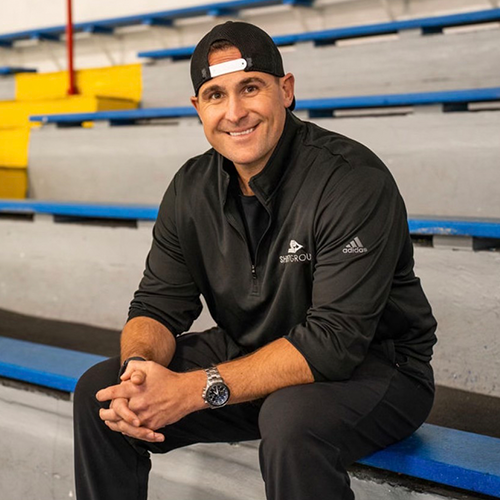
Prior to founding Shift Group, JR held senior revenue leadership roles at high-growth technology companies, including serving as Chief Revenue Officer at Pillir, where he built the company’s go-to-market strategy and top-tier AWS partnerships. Before that, he was an early employee at Turbonomic, helping scale the company through its $2B acquisition by IBM while leading top-performing sales teams and enterprise growth. JR is a graduate of the College of the Holy Cross, where he played Division I hockey.
About Shift Group:
Shift Group is the premier talent platform for building high-performing teams. We turn the experience of athletes and veterans into business-ready skills, delivering a steady pipeline of qualified, pre-vetted candidates with the mindset, discipline, and work ethic to make an immediate impact.
For companies: Our platform accelerates sourcing and hiring, reduces risk, and improves retention and time-to-productivity. The result is a more efficient, data-driven hiring process and a competitive edge built on proven talent.
For athletes and veterans: We’re your partner in career transition. From functional skill training to interview prep and job placement, we guide you step-by-step. Our platform teaches you how to leverage your unique background and story through video to stand out to employers. And our curated job board gives you direct access to top opportunities, helping you launch a career that matters.
Shift Group connects elite talent with companies that value drive, resilience, and leadership, creating high-performing teams and meaningful careers.



- Category: Blogs

Posted by JR Butler
Prior to founding Shift Group, JR held senior revenue leadership roles at high-growth technology companies, including serving as Chief Revenue Officer at Pillir, where he built the company’s go-to-market strategy and top-tier AWS partnerships. Before that, he was an early employee at Turbonomic, helping scale the company through its $2B acquisition by IBM while leading top-performing sales teams and enterprise growth. JR is a graduate of the College of the Holy Cross, where he played Division I hockey.